Field Report: Community Based Trauma Healing Musanze & Nyamata

Date of report: 15/7/2026
Events: Three trainings in Musanze (Northern Province) and one follow-up sessions Nyamata
(Eastern Province).
Dates: Musanze Training 1: 1-4/06/2026 (4 days); Musanze Training 2: 08-11/6/2026 (4 days);
Nyamata Follow-up: 15-16/06/2026 (2 days). In Musanze the trainings were implemented in
collaboration with the Association des Eglise Baptiste au Rwanda (AEBR). Bishop Andre (Northern
Province coordinator) facilitated participant selection and venue arrangements in Musanze.
Participants: Total engaged = 61 (Musanze 1: 15; Musanze 2: 18; Nyamata follow-up: 28).
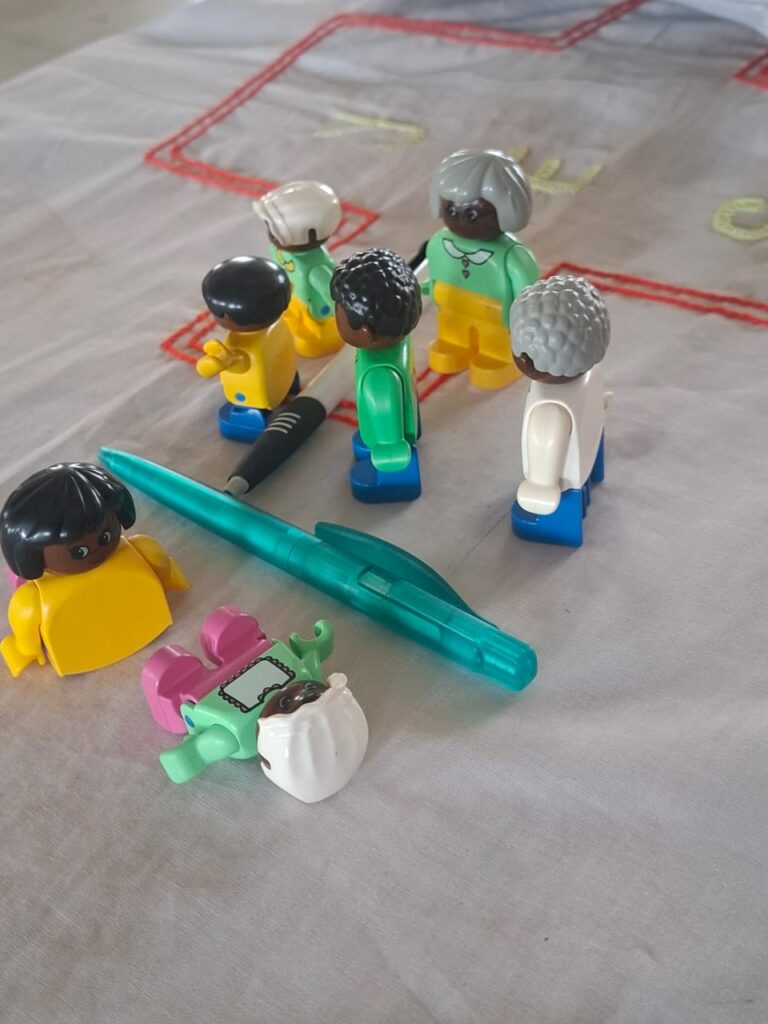
Methodology: Training sessions employed a mix of interactive participation, own life experiences
of the participants, dialogue lectures, practical exercises, dancing and singing. The program
covered: basics of mental health and well-being, common mental health problems related to
trauma and their signs, coping strategies and resilience-building, role of community and faith based organizations in mental health support, referral pathways and professional mental health
services
Trainers: Jannetta Bos ( psychotherapist), Karlijn van Gogh (clinical psychologist), Paul Mutama
(pastor and translator).
Donors and logistical support: Funded by A Cup for Humanity, Trauma Aid Netherlands (flight
ticket of Jannetta) (and other donors). Venue provided by Association des Eglises Baptiste au
Rwanda.

Key outcomes: Participants’ testimonies highlighted knowledge and behaviour change.
Specifically participants demonstrated an improved recognition of mental health issues related
to trauma, depression, suicidality, traumatic loss and bitter memories. Besides, participants
demonstrated reduced stigma language and increased confidence in supporting healing and
reconciliation within their families and communities.

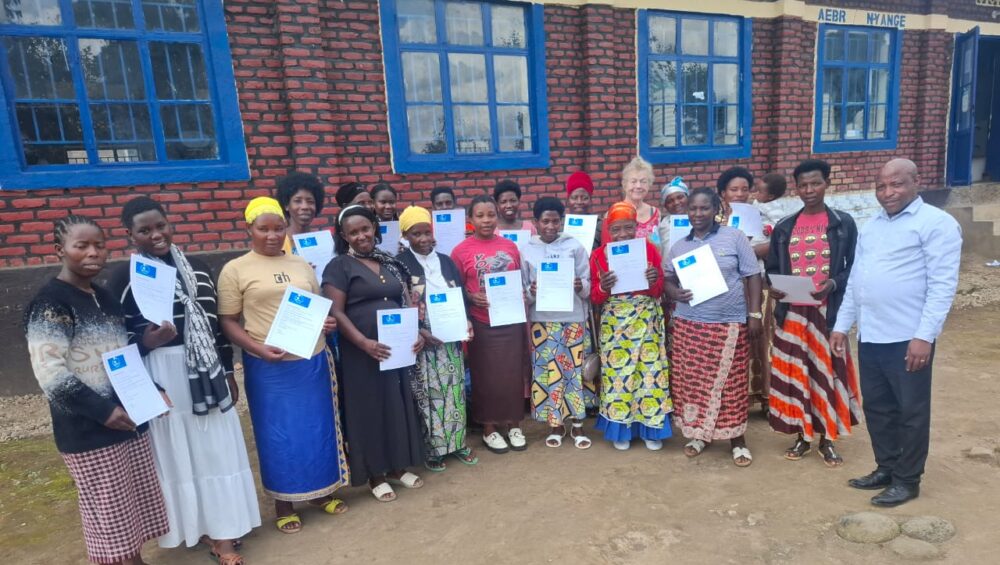
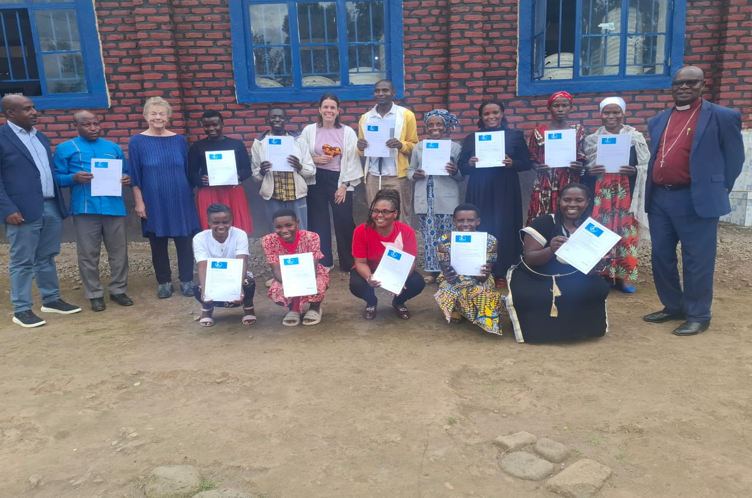
At the end of the training certificates were awarded to all participants in Musanze and initial
partnership discussions were initiated between A Cup for Humanity and 4Hs for Women which
is headed by Bishop Andre and his wife.
Certificates were prepared and ceremonially awarded to all participants at the end of both
Musanze trainings to acknowledge achievement and encourage ongoing engagement.
Photographs were taken with participant consent.
Lives Transformed: Voices from the Trauma Healing Programme
The following anonymized testimonies illustrate the profound impact of A Cup for Humanity’s
trauma healing programme. Although each story is unique, together they reveal common
themes of restoration, resilience, and renewed hope. They also demonstrate the continuing
need for accessible trauma care in Rwanda.

From Despair to Hope: Choosing Life Again
One of the strongest themes emerging from the training was the prevention of suicide and the
restoration of hope among participants who had reached the point of despair. Several
participants openly shared that before attending the training they had contemplated ending
their lives because of overwhelming emotional pain, rejection, and hopelessness.

One participant shared:
“I had already decided to end my life. I walked into the middle of the road hoping that a vehicle
would hit me. Through this training I finally found people who listened to my story. Last night I
slept peacefully for the first time in a long time. I now have decided to live and continue my life”

Another participant explained:
“I went to a mountain to pray because I had lost hope. When nothing changed I decided to
commit suicide. During this training I chose life instead. Yesterday I returned home and told my
children that I loved them. They were surprised and encouraged me to continue attending these
lessons.”
A third participant recounted:
“I sat in the middle of the road with my two children waiting for a speeding vehicle to kill us all.
Although my circumstances have not yet changed, I finally feel heard. I learned stress-relief
exercises and slept peacefully for the first time.”
These testimonies demonstrate that compassionate listening, trauma healing education, and
practical coping skills can interrupt cycles of despair and restore hope even among individuals
experiencing severe emotional distress.
2. Healing Grief and Traumatic Loss
Many participants continue to live with unresolved grief resulting from bereavement, family
separation, and multiple losses.
One mother who had lost six children shared:
“People pointed at me wherever I went and said, ‘There goes the woman whose children all
died.’ I carried unbearable grief but had nobody willing to listen. Through this training I learned
the difference between normal grief and complicated grief. I have now chosen life again.”
Another participant explained how years of infertility had produced chronic emotional pain and
persistent headaches.
Others described carrying unresolved grief for decades because no safe environment had ever
existed in which they could tell their stories.
These testimonies demonstrate that psychoeducation about grief enables participants to
understand their emotional experiences while reducing feelings of isolation and self-blame.
3. Restoring Healthy Families and Parenting
Many participants reported that trauma had negatively affected their relationships with spouses
and children.

One mother admitted:
“I used to direct all my anger toward my children and beat them whenever I became frustrated. I
now understand that they are innocent and should not suffer because of my own pain. I will never
beat them again.”
Another participant reflected:
“My husband often came home drunk and we constantly argued. Afterwards I would release my
anger on my children. I have now learned better ways of communicating and managing my
emotions.”
Another parent commented:
“The lessons on child psychology have changed my life. I now understand how every action I take
shapes my child’s future.”
These testimonies suggest that trauma healing not only benefits individual participants but also
contributes to healthier family relationships and more nurturing parenting practices.
4. Forgiveness, Reconciliation, and Restored Relationships
Several testimonies illustrate how emotional healing opened space for forgiveness and
reconciliation.
One participant explained:
“I grew up believing my grandfather was my father because my biological father abandoned us.
Yesterday I finally greeted him and called him ‘Dad.’ If we can bury a dead person, why can’t we
bury painful memories and forgive?”
Another participant simply stated:
“There was someone I could never forgive. After this training I decided to forgive in order to free
my own heart.”
These stories highlight that reconciliation often begins with internal healing before it becomes
visible in restored relationships.
5. Breaking Isolation Through Listening and Human Dignity
One of the most frequently mentioned experiences was the healing power of simply being
listened to.
Participants repeatedly explained that they had lived with painful stories for many years without
finding anyone they trusted enough to confide in.
One participant said:
“For years I had nobody I could trust with my story. Simply being listened to lifted an enormous
burden from my heart.”
Another reflected:
“You treated us with dignity and reminded us that we are all equal human beings.”
Others committed themselves to becoming better listeners within their own communities by
maintaining confidentiality, encouraging others, and responding with compassion rather than
judgement.
These testimonies underline the importance of creating safe spaces where survivors can speak
without fear of stigma or rejection.

6. Managing Stress, Anger, and Emotional Well-being
Many participants described suffering from chronic headaches, insomnia, anxiety, and
overwhelming stress before attending the programme.
They particularly appreciated the practical relaxation exercises and emotional regulation
techniques.
Participants reported:
• Improved sleeping after months or years of insomnia;
• experiencing relief from chronic headaches;
• learning techniques for stress reduction;
• understanding how to regulate anger without hurting others.
One participant remarked:
“I learned practical exercises that help me sleep and reduce stress. Last night I finally slept
well.”

Another stated:
“I now know how to manage my anger instead of directing it toward other people.”
These outcomes illustrate the immediate practical benefits of integrating psychoeducation with
simple evidence-based stress management techniques.
7. Personal Growth and Community Transformation
Beyond personal healing, many participants expressed a desire to become agents of healing
within their own families and communities.
Participants committed themselves to:
• speaking kindly rather than harshly;
• avoiding judgement of others;
• using open questions when listening;
• respecting confidentiality;
• recognising depression and suicidal behaviour;
• supporting vulnerable friends and neighbours;
• offering encouragement rather than criticism.
One participant reflected:
“I realised that words can deeply wound people. I have decided to speak in ways that build
others up.”
Another commented:
“I now understand how to recognise depression and suicidal behaviour and I feel ready to
support my friends whenever I notice these signs.”
These testimonies demonstrate that the programme is multiplying its impact by equipping
participants to become informal caregivers and advocates for emotional well-being within their
own communities.
Additional impacts: strengthened links between the Baptist local church and A Cup for
Humanity. Also we observed an increased interest in forming peer-support groups.
Partnership possibility: Bishop Andre approached the project team to explore a partnership
between A Cup for Humanity and the 4Hs for Women organization (represented by the Bishop).
Proposed next steps:
• Convene a joint meeting with A Cup for Humanity, 4Hs for Women, and AEBR (provisional
within 30 days).
• Draft a Memorandum of Understanding outlining roles for joint community trainings,
referrals, and resource-sharing.
• Pilot a small-scale joint initiative in one additional district.
Acknowledgements: The team thanks the board of A Cup for Humanity which spearheads the
projects. Also, we than our donors for their generosity that allows the project to be
implemented. Finally we are grateful for Bishop Andre and AEBR for participant mobilization
and venue support
Challenges and lessons learned:
Challenges: some participants travelled long distances (maximum three hours walking). Though
we provided transportation facilitation we had to stop our sessions a bit early 14:30 so that they
may reach back home in time.

Lessons learned:
• Follow-up visits (Nyamata) are crucial to measure impact and sustain behaviour change.
• Certification motivates continued engagement and community leadership.
• Working through trusted local leaders (Bishop Andre and AEBR) enhances participant trust
and attendance.
Recommendations and next steps:
• Establish a quarterly follow-up plan (telephonic check-ins and at least one in-person
refresher per 6 months).
• Formalize partnership with 4Hs for Women or the Baptist church and A Cup for Humanity;
pilot joint programming with monitoring indicators.
• Scale training to two additional districts in the next 12 months, leveraging the AEBR network.

Concluding Reflection:
Although every testimony reflects a unique personal journey, together they reveal several
consistent outcomes of the trauma healing programme. Participants experienced reduced
emotional distress, improved sleep, healthier family relationships, renewed hope, greater
willingness to forgive, and increased confidence to support others. Most importantly, many
individuals who had lived in silence for years discovered the healing power of being heard with
compassion and dignity.

These stories also remind us that trauma remains a significant but often invisible challenge in
many Rwandan communities. The continuing presence of unresolved grief, family conflict,
depression, suicidal thoughts, and social isolation underscores the urgent need to expand
community-based trauma healing initiatives. By equipping local leaders, strengthening
resilience groups, and creating safe spaces for listening and recovery, A Cup for Humanity
continues to contribute not only to individual healing but also to stronger families, healthier
communities, and lasting social cohesion.

You can download full report here: A Cup for humanity Field Report_Musanze_Nyamata_Thematic 2JB (1)

Leave a Reply

Your email address will not be published. Required fields are marked *